
The Impact of Strength Training and HIIT on Women's Hormones Explained
- Vanessa Grosso

- Feb 19
- 3 min read
Women often hear that exercise is good for their health, but few understand how different types of workouts affect their hormones. Strength training and high-intensity interval training (HIIT) are two popular exercise methods that can influence hormone levels in unique ways. These hormonal changes can affect energy, mood, metabolism, and overall well-being. This post explores how strength training and HIIT impact women's hormones and what that means for your fitness and health journey.
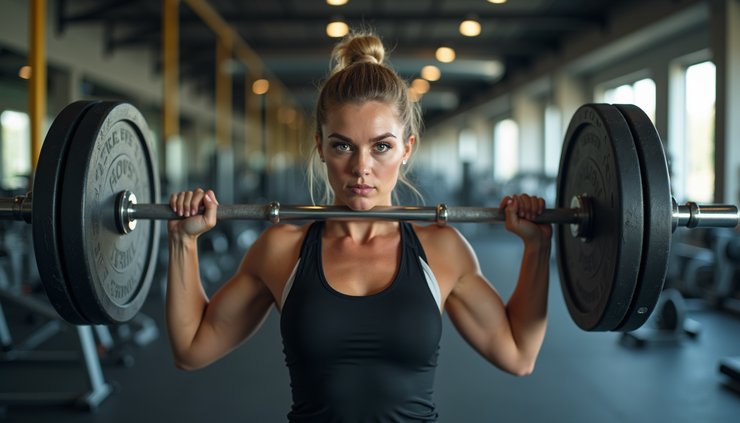
How Hormones Influence Women's Health and Fitness
Hormones are chemical messengers that regulate many body functions, including metabolism, mood, reproduction, and muscle growth. For women, hormones like estrogen, progesterone, testosterone, cortisol, and insulin play key roles in how the body responds to exercise.
Estrogen and progesterone fluctuate during the menstrual cycle and affect energy levels and recovery.
Testosterone supports muscle growth and strength.
Cortisol is a stress hormone that can increase with intense exercise.
Insulin regulates blood sugar and energy storage.
Understanding how exercise influences these hormones helps women tailor workouts to their goals and hormonal health.
Strength Training and Hormonal Effects in Women
Strength training involves lifting weights or using resistance to build muscle. It is often associated with men, but women benefit greatly from it, especially in terms of hormone balance.
Testosterone and Muscle Growth
Strength training increases testosterone levels, even in women, though at lower levels than men. This boost helps build lean muscle mass, improve strength, and increase metabolism. More muscle means the body burns more calories at rest, supporting weight management.
Growth Hormone Release
Lifting weights triggers the release of growth hormone, which aids in muscle repair and fat metabolism. Growth hormone also supports skin health and bone density, important for women as they age.
Cortisol and Recovery
While strength training raises cortisol temporarily, regular training improves the body’s ability to manage stress hormones. This means better recovery and less risk of chronic stress-related issues.
Insulin Sensitivity
Strength training improves insulin sensitivity, helping the body use glucose more effectively. This reduces the risk of type 2 diabetes and supports stable energy levels.
How HIIT Influences Women's Hormones
High-intensity interval training alternates short bursts of intense exercise with recovery periods. HIIT is popular for its efficiency and fat-burning effects, but it also impacts hormones differently than strength training.
Cortisol and Stress Response
HIIT causes a significant but short-term increase in cortisol. This helps the body mobilize energy quickly. However, excessive HIIT without rest can lead to chronically elevated cortisol, which may disrupt hormone balance and recovery.
Adrenaline and Noradrenaline
HIIT stimulates adrenaline and noradrenaline release, hormones that increase heart rate and energy availability. This hormonal surge improves focus, fat burning, and performance during workouts.
Growth Hormone and Fat Loss
Like strength training, HIIT boosts growth hormone levels, which supports fat loss and muscle maintenance. This makes HIIT effective for improving body composition.
Insulin Regulation
HIIT improves insulin sensitivity, helping regulate blood sugar and reduce fat storage. This effect supports metabolic health and energy stability.

Balancing Hormones with Strength Training and HIIT
Both strength training and HIIT offer hormonal benefits, but balance is key. Overdoing either can lead to hormonal imbalances, fatigue, or injury.
Tips for Hormonal Balance
Combine workouts: Mix strength training and HIIT for balanced hormone stimulation.
Listen to your body: Rest when needed to avoid chronic cortisol elevation.
Time workouts: Some women find strength training works better in the follicular phase (first half) of their cycle, while HIIT fits the luteal phase (second half).
Nutrition matters: Support workouts with protein, healthy fats, and complex carbs to fuel hormone production.
Sleep well: Quality sleep helps regulate cortisol and supports recovery.
Practical Examples of Hormonal Benefits
A woman who starts strength training may notice increased energy and better mood due to testosterone and growth hormone boosts.
Incorporating HIIT can improve insulin sensitivity, helping women with blood sugar issues manage their condition better.
Women dealing with stress might find that moderate strength training reduces cortisol levels over time, improving sleep and mental health.
Final Thoughts on Exercise and Women's Hormones
Strength training and HIIT both influence women's hormones in ways that support muscle growth, fat loss, energy, and mood. Understanding these effects helps women choose workouts that fit their hormonal cycles and health goals. Combining both methods with proper rest and nutrition creates a strong foundation for long-term wellness.


Comments